
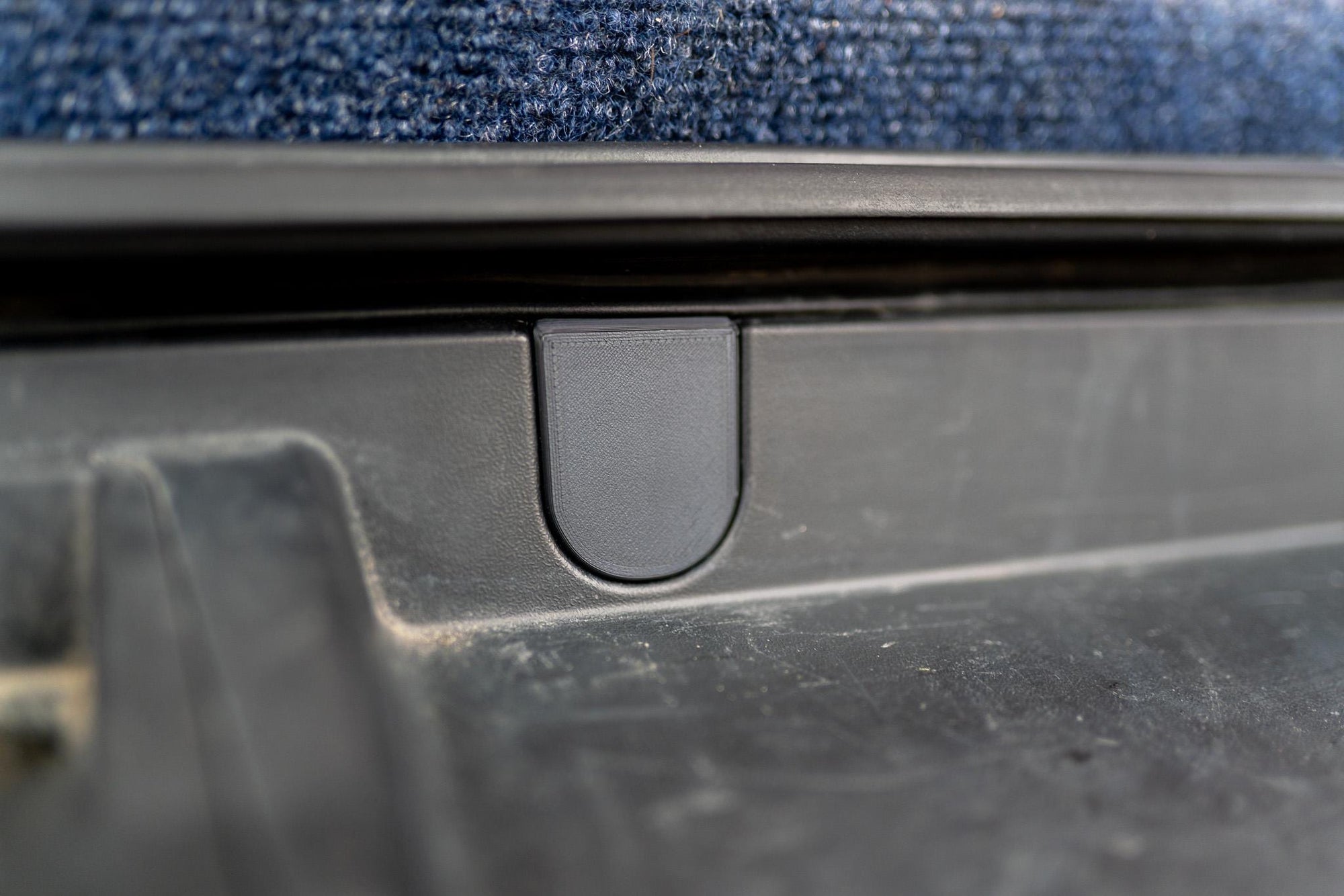
Dialed to the millimeter
Precision Fit
Nothing rattles.
4.94 across 193 verified reviews

Measured, Not Guessed
Scanned off the real hardware
'Universal' is just a polite word for 'fits nothing well.' I don't build universal. Every mount and panel is 3D-scanned off the actual hardware (the real battery, the real dash, the real rig), then modeled to the millimeter.
The result drops in like it came from the factory, except it looks better and it's made for your setup specifically. No shims, no zip-tie surgery, no 'good enough.'

Silence Is The Point
Quiet is a design spec
Rattle is the enemy. It's the sound of a part that almost fit, slowly beating itself (and your interior) to death over every mile of dirt. Tight tolerances kill it. Snug mounts kill it. Designing for one specific piece of hardware kills it.
Bolt it in and the only thing you should hear on the trail is your passengers second-guessing your line.

Built to drop in quiet and stay that way.